Shockwave Therapy for Rehabilitation: Key Benefits for Patients


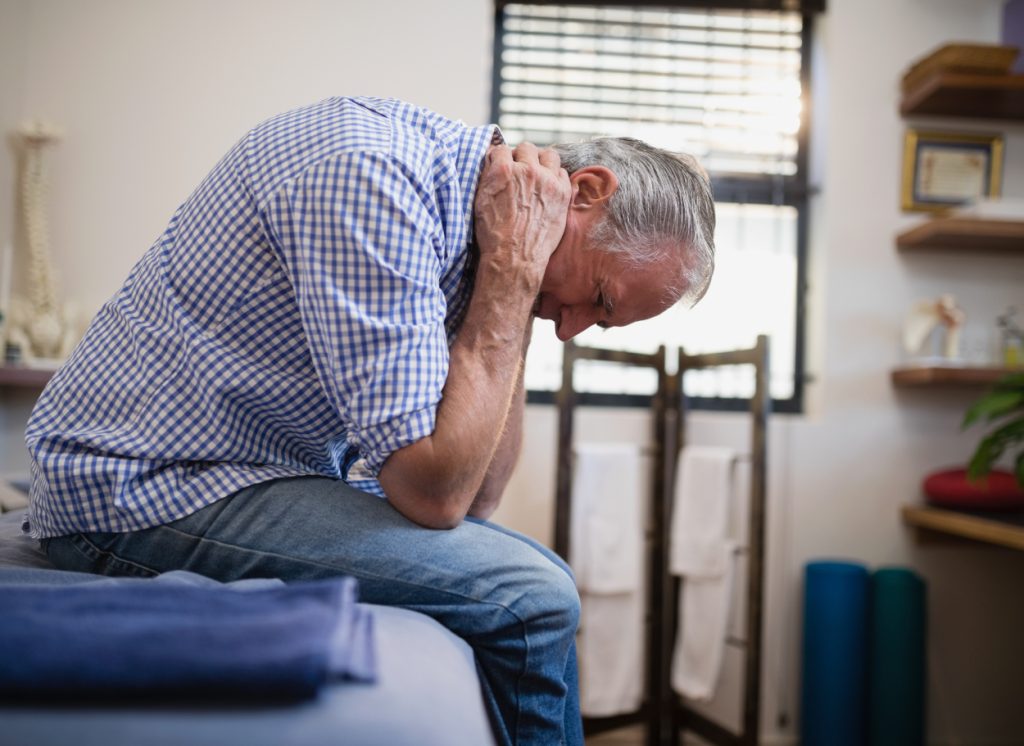
Rehabilitation rarely follows a straight line. A patient starts physical therapy after a tendon injury, expects steady weekly progress, then hits a plateau. Another has heel pain for months, tries rest, stretching, shoe changes, anti-inflammatory medication, and still cannot walk comfortably through a grocery store. A runner with chronic hamstring pain does everything right and still feels the same sharp pull every time speed work resumes. These are the moments when treatment plans need another lever, not a miracle, just a tool that can help move stubborn tissue back toward recovery.
Shockwave Therapy has become one of those tools.
Used thoughtfully, it can reduce pain, improve function, and support tissue healing in patients whose progress has slowed or stalled. It is not appropriate for every diagnosis, and it does not replace exercise-based rehabilitation. But in the right patient, at the right time, it often changes the trajectory of care. Clinicians who work with sports injuries, overuse conditions, and persistent soft tissue pain have seen it open doors that were starting to look closed.
What matters most for patients is not the technology itself. What matters is whether it helps them climb stairs with less pain, return to work, sleep through the night, grip without fear, or trust a tendon again under load. That is where the real value of Shockwave Therapy shows up.
What Shockwave Therapy is actually doing
Shockwave Therapy uses acoustic waves delivered into tissue through a handheld device. Depending on the system, the treatment may be radial or focused. Both aim to stimulate a biological response rather than simply numb symptoms. The language around it can get technical quickly, but from a rehabilitation standpoint the important point is straightforward: controlled mechanical stimulation can prompt tissue to respond.
That response may include increased local blood flow, changes in pain signaling, and activation of healing processes in tissues that have become degenerative, irritated, or chronically overloaded. In tendinopathies, for example, the goal is not to “break up scar tissue” in the simplistic way patients sometimes hear it described. The more accurate picture is that the treatment creates a stimulus that encourages remodeling and better tissue behavior over time.
Patients often expect an immediate dramatic effect after one session. That does happen occasionally, especially with pain modulation, but more often improvement builds across several visits and continues over the following weeks. This delayed effect is important to understand, because it shapes expectations and keeps patients from abandoning a useful treatment too soon.
Why it has become relevant in rehabilitation clinics
A lot of common musculoskeletal problems sit in an awkward middle ground. They are serious enough to limit activity, but not always severe enough to justify surgery. They may not respond well to rest alone. Medication may dull pain for a while but do little to restore tissue tolerance. Standard exercise therapy helps many people, but some cases remain frustratingly persistent.
This is the space where Shockwave Therapy often earns its place.
Plantar fasciopathy, Achilles tendinopathy, patellar tendinopathy, lateral epicondylalgia, gluteal tendinopathy, calcific shoulder tendinopathy, and certain myofascial pain presentations are frequent examples. These are conditions clinicians see every week, and they can be difficult because the patient is usually not completely disabled, yet not truly functional either. They can work, but only with pain. They can exercise, but only below the level they want. They can move, but every step, reach, or lift comes with a reminder that something is wrong.
For these patients, rehabilitation needs treatments that bridge the gap between passive symptom management and progressive loading. Shockwave Therapy can do that when it is integrated into a broader plan.
The first major benefit, pain relief that supports movement
Pain relief is usually the first benefit patients notice, and it matters for more than comfort.
When pain drops, even modestly, movement quality often improves. A patient with Achilles pain may stop guarding every step. Someone with tennis elbow may tolerate gripping and wrist loading without immediately bracing. A person with chronic heel pain may start walking more normally, which reduces compensations up the chain through the knee, hip, and lower back.
This is one reason the treatment can have an outsized effect on rehabilitation. The value is not only that the painful spot hurts less. The value is that lower pain makes meaningful exercise possible. In practice, that means a patient who could barely tolerate calf raises last week may now complete a graduated tendon program. The treatment creates room for rehab to work.
Pain modulation after Shockwave Therapy is not identical for every patient. Some feel sore for a day or two after treatment, then notice a gradual decrease in symptoms. Others feel lighter immediately and maintain that relief. A smaller group notices little after the first session and improves only after the second or third. Experienced clinicians prepare patients for that range so they can judge progress across a sensible time frame rather than from one hour to the next.
A second benefit, it helps target chronic tissue problems, not just recent injuries
Acute injuries often respond well to protection, time, and structured exercise. Chronic conditions are different. Tissue may be disorganized, overloaded, under-conditioned, or metabolically sluggish. The longer pain persists, the more likely it is that the nervous system also becomes part of the story. That is why some patients feel trapped in month four, six, or twelve despite doing many of the “right” things.
Shockwave Therapy tends to be most valuable in these chronic or stubborn cases.
Take plantar fasciopathy. Many patients arrive after trying arch supports, icing, stretching, rest, and massage tools. Some have already had injections. Their pain is worst with first steps in the morning and flares again after standing too long. They are tired of managing the condition around the edges. In well-selected cases, shockwave combined with calf strengthening, plantar loading strategies, and footwear review can finally shift symptoms in a meaningful way.
https://pastelink.net/gpivv4vxThe same pattern shows up in lateral elbow pain. Office workers, racquet sport athletes, carpenters, mechanics, and clinicians who perform repetitive hand tasks often develop symptoms that refuse to leave. They can usually keep functioning, but pain lingers during gripping, lifting, pouring, twisting, or carrying. When shockwave is applied with a sensible loading program, some of these long-running cases improve faster than they would with exercise alone.
Healing support, within realistic limits
Patients sometimes hear “healing” and imagine the therapy directly repairs tissue like a patch. Rehabilitation is rarely that tidy. Still, one of the strongest reasons clinicians use Shockwave Therapy is that it appears to stimulate biological processes relevant to tissue recovery. That can be useful in degenerative tendon conditions where circulation and cellular activity are not ideal.
This is where professional judgment matters. A degenerative tendon may benefit from a treatment that provokes tissue change, but an acutely inflamed structure or a poorly screened patient may not respond the same way. More stimulation is not always better. The dose matters. The diagnosis matters. The stage of recovery matters.
Patients benefit when the treatment is presented honestly: it can support a healing environment, but it is not a shortcut around graded rehabilitation. The people who do best are usually the ones who pair treatment with load management, progressive exercise, and enough time for tissue adaptation.
Better function in daily life, which is the outcome patients actually care about
Pain scores are useful, but patients judge success by function. Can they jog again? Can they climb ladders, carry groceries, kneel in the garden, or stand through a work shift? Can they train without spending the next two days flared up?
One of the practical advantages of Shockwave Therapy is that it can improve these day-to-day capacities without requiring significant downtime. That distinguishes it from more invasive options that may interrupt work or activity for longer periods. A patient can often receive treatment and continue with a modified rehabilitation plan, making gradual gains rather than stepping out of life completely.
I have seen this matter most in workers and recreational athletes. The warehouse employee with insertional Achilles pain cannot simply stop walking for six weeks. The parent with plantar heel pain cannot avoid stairs because they have children to chase. The tennis player with elbow pain may be willing to reduce play and adjust training, but not to shut down the entire season. When treatment helps them function better while rehabilitation continues, adherence improves because the plan feels livable.
It can reduce reliance on more invasive or less sustainable options
Not every patient wants injections. Not every condition benefits from them in the long term. Surgery has an important place, but most patients would prefer to avoid it if they can recover with conservative care. Repeated use of pain medication is also not an ideal long-term strategy for chronic mechanical problems.
Shockwave Therapy can sometimes fill that gap. It gives clinicians another evidence-informed conservative option before escalation to invasive care. This is particularly relevant for tendinopathies and plantar fasciopathy, where patients may feel pushed toward stronger interventions simply because symptoms have lasted a long time.
That does not mean shockwave replaces every other approach. It means some patients who are stuck between “keep waiting” and “do something bigger” now have a middle path. For the right case, that can be a very meaningful benefit.
The treatment experience patients should expect
Most patients want a simple answer to one question: what will it feel like?
The honest answer is that Shockwave Therapy is usually tolerable, but not always comfortable. Sensation varies by tissue, depth, device type, treatment settings, and individual pain sensitivity. Areas like the heel, elbow, and Achilles can be quite tender. Clinicians typically adjust intensity based on the patient’s response while still delivering a therapeutic dose.
A short treatment session may last only a few minutes at the target site. There is often some transient soreness afterward, similar to post-treatment irritability rather than injury. Many clinics recommend relative moderation in aggravating activity for a day or two, but not complete inactivity. The exact advice depends on the condition and the rest of the rehabilitation plan.
Patients also benefit from knowing that one session is rarely the full answer. Many protocols involve a series of treatments, commonly spaced about a week apart, though practice patterns differ. Functional improvement is usually measured across the course of treatment and into the following weeks, not only on the treatment table.
Where Shockwave Therapy tends to help most
The strongest candidates are often patients with persistent musculoskeletal pain linked to tendons, fascia, or soft tissue overload, especially when standard care has helped only partially. Some of the more common examples include the following:
- plantar fasciopathy with persistent morning pain and step-related symptoms
- Achilles, patellar, or gluteal tendinopathy that has plateaued despite exercise
- lateral elbow pain with gripping or lifting intolerance
- calcific tendinopathy of the shoulder in selected cases
- certain myofascial trigger point presentations when part of a broader rehab plan
Even within these categories, there are nuances. Midportion Achilles tendinopathy and insertional Achilles tendinopathy may require different loading strategies. Elbow pain can be tendon-driven, nerve-related, or referred from elsewhere. Heel pain may stem from structures other than the plantar fascia. Good results depend on getting the diagnosis right.
When it is not the best fit
This is where experienced care matters just as much as the device.
Shockwave Therapy is not appropriate over areas with certain circulatory issues, active infection, some tumors, or specific medical contraindications. It is not typically used over growth plates in younger patients. Some clinicians avoid use in pregnancy depending on region and treatment area. Anticoagulation status, significant sensory deficits, and acute fractures also warrant caution or exclusion.
Beyond formal contraindications, there are softer reasons not to use it. If the patient has not yet had a serious attempt at well-structured exercise therapy, shockwave may be premature. If pain is primarily driven by central sensitization, systemic inflammatory disease, or an undiagnosed spinal source, local shockwave may offer little value. If expectations are unrealistic, such as wanting one treatment to erase a year of overload while continuing the same aggravating behavior, disappointment is likely.
A good rehabilitation clinician does not use every tool on every patient. They match the tool to the problem.
The best results happen when it is paired with active rehabilitation
This point cannot be overstated. Shockwave Therapy works best as part of a plan, not as a standalone event.
If a tendon is painful because it lacks load tolerance, then the long-term answer still involves progressive loading. If heel pain is driven in part by calf weakness, step count spikes, and poor tolerance to barefoot walking, those factors still need to be addressed. If elbow pain is aggravated by workstation habits and repeated gripping, treatment should include load management and capacity building, not only symptom treatment.
Patients often do best when the plan includes a few essentials:
- a clear diagnosis and explanation of what tissue is involved
- a progressive exercise program matched to irritability and goals
- practical load management, especially for work and sport
- realistic expectations about session count and timeline
- follow-up measures tied to function, not just pain at rest
This integrated approach is what turns a promising modality into a useful rehabilitation strategy.
Real-world trade-offs patients should know about
The conversation around Shockwave Therapy is sometimes too polished. Patients deserve a more grounded view.
First, not everyone responds. Some improve quickly, some gradually, and some not at all. That does not mean the treatment was delivered poorly. Biological variability is real. Two people with the same diagnosis on paper can behave very differently in practice.
Second, the treatment can be uncomfortable. That matters for anxious patients or those with very irritable tissue. Good clinicians coach patients through it and dose thoughtfully, but sugarcoating the experience does not help.
Third, cost can be a factor. Coverage varies by clinic, payer, and region. Patients should understand the likely number of sessions and total financial commitment before starting.
Fourth, timing matters. If someone is in the middle of an intense competition block, a treatment that causes transient soreness may need to be scheduled strategically. If a worker cannot accommodate even a brief symptom flare, the plan has to reflect that reality.
These trade-offs do not weaken the case for shockwave. They simply place it where it belongs, as a valuable option rather than a universal answer.
How patients can tell whether it is helping
Progress should be tracked in specific, practical terms. Broad statements like “it feels a little better” are helpful, but not enough. Better questions include whether first-step pain is easing, whether walking tolerance has increased, whether gripping a kettle still stings, whether hopping is less provocative, or whether recovery after activity is faster.
Small wins often appear before full pain relief. A patient may still feel discomfort, but notice that symptoms settle within hours instead of lingering for two days. They may still feel morning stiffness, but no longer limp to the bathroom. These are meaningful markers in rehabilitation because they reflect improving tissue tolerance.
Clinicians often reassess tenderness, loading tolerance, and activity capacity across the treatment course. If none of these measures shift after a reasonable trial, it may be time to reconsider the diagnosis, the dosage, or the treatment choice itself.
Why patient selection matters more than hype
The strongest outcomes in rehabilitation usually come from boring excellence rather than dramatic technology. Good assessment. Sound diagnosis. A treatment matched to the tissue and the person. Exercise progressed at the right pace. Honest communication. Follow-through.
Shockwave Therapy fits well inside that model. It is useful precisely because it is not magic. It offers a mechanical and biological stimulus that can help certain chronic musculoskeletal problems respond when they have stopped improving with simpler measures alone. For patients, the benefits can be substantial: less pain, better movement, improved tolerance for exercise, greater day-to-day function, and in some cases a path away from injections or surgery.
The key is to think of it as a facilitator of rehabilitation, not a substitute for it.
When used selectively and integrated into a broader plan, Shockwave Therapy can help patients regain momentum. And in rehabilitation, momentum matters. It restores confidence, supports consistency, and often marks the difference between merely managing symptoms and truly getting back to life.
Injury Recovery Center
Address: 14241 E 4th Ave Building 5, Ste. 5-354, Aurora, CO 80011
Phone number: +17203289033
FAQ About Shockwave Therapy
What does shockwave therapy actually do?
Shockwave therapy delivers high-energy acoustic sound waves through the skin to an injured area. This process "wakes up" stubborn, chronic soft-tissue injuries by increasing local blood flow, breaking down calcifications, and triggering the body's natural cellular repair and tissue regeneration mechanisms.
What are the drawbacks of shockwave therapy?
Shockwave therapy can cause temporary pain, skin redness, bruising, swelling, or numbness at the treatment site. It may require multiple sessions, can be costly out-of-pocket because insurance often does not cover it, and is unsafe for pregnant individuals or those with blood-clotting disorders.
Does shock wave therapy really work?
Yes, shock wave therapy (extracorporeal shockwave therapy, or ESWT) works well for specific chronic soft-tissue and bone conditions, showing success rates around 60% to 80% for stubborn issues like plantar fasciitis and tennis elbow when other conservative treatments fail.